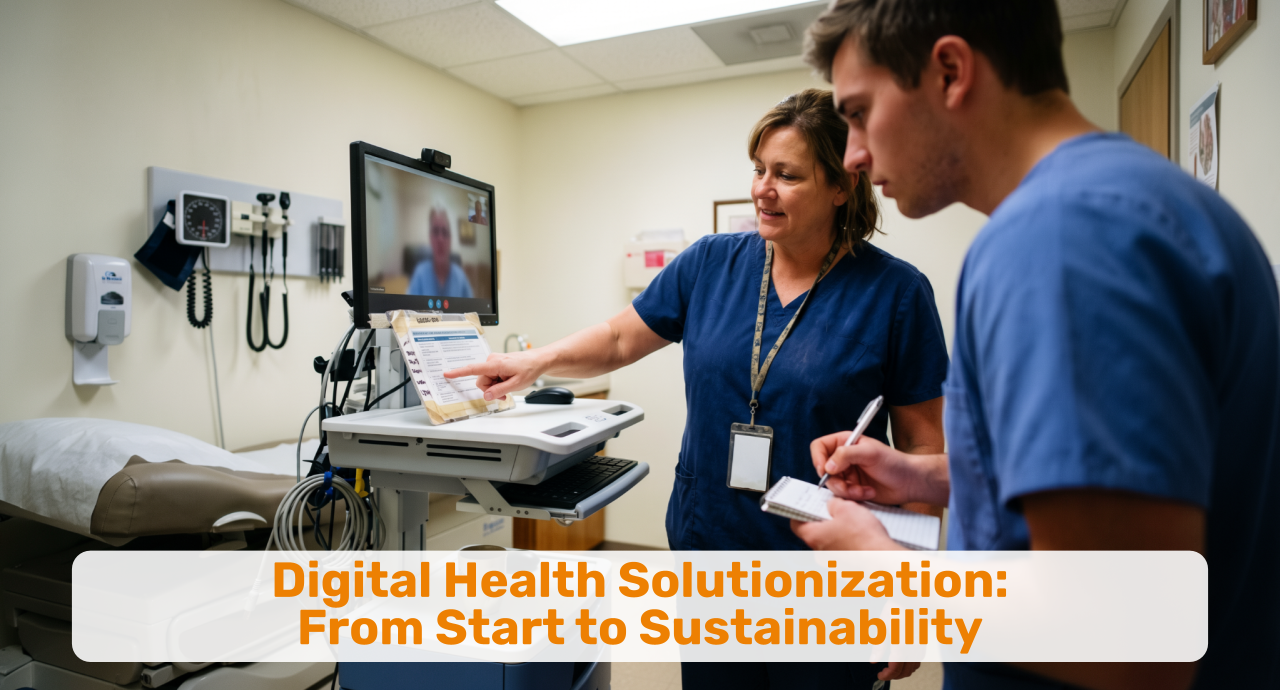


Four Years of Trying. Then Everything Changed.
How Moses Lake Community Health Center Finally Made Telehealth Work — and What Any Rural FQHC Can Learn From Their Journey
Most community health centers didn’t choose to adopt telehealth. They were thrust into it.
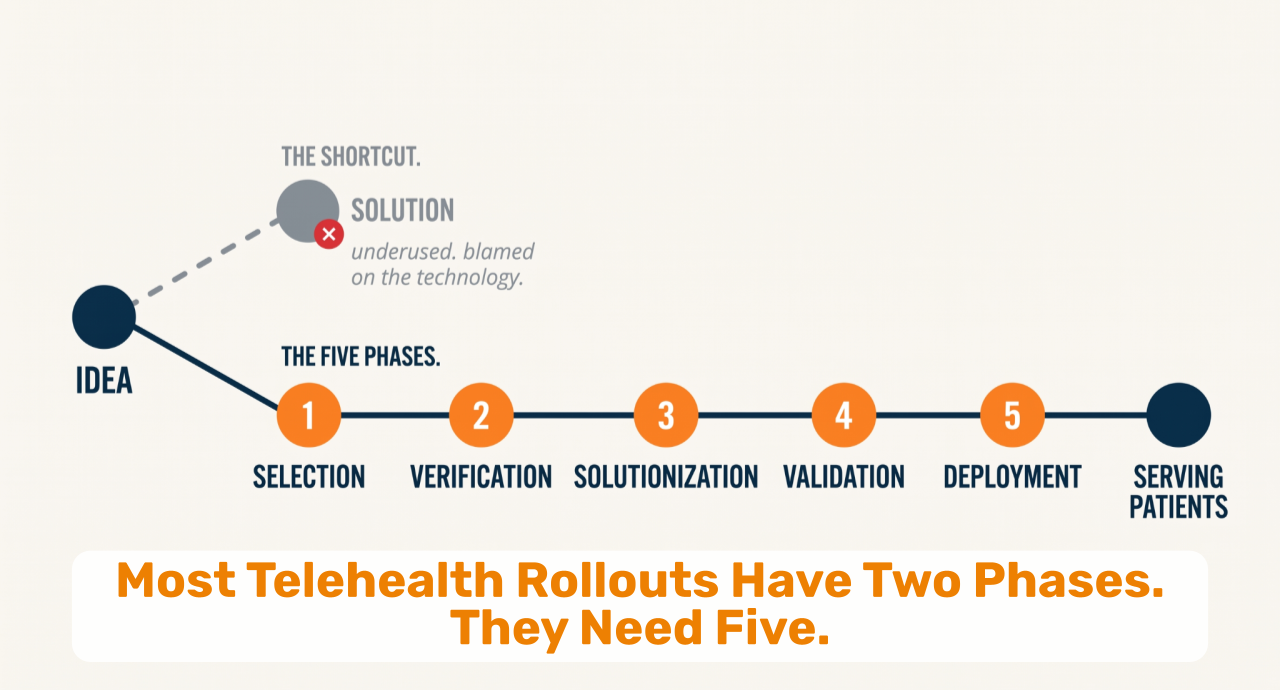
When COVID forced the shift to virtual care in 2020, organizations across the country did what they had to do: they got patients on the phone. They jury-rigged video platforms never designed for clinical care. They improvised. And when the dust settled, many of them were left with a telehealth program that technically existed — but never quite worked.
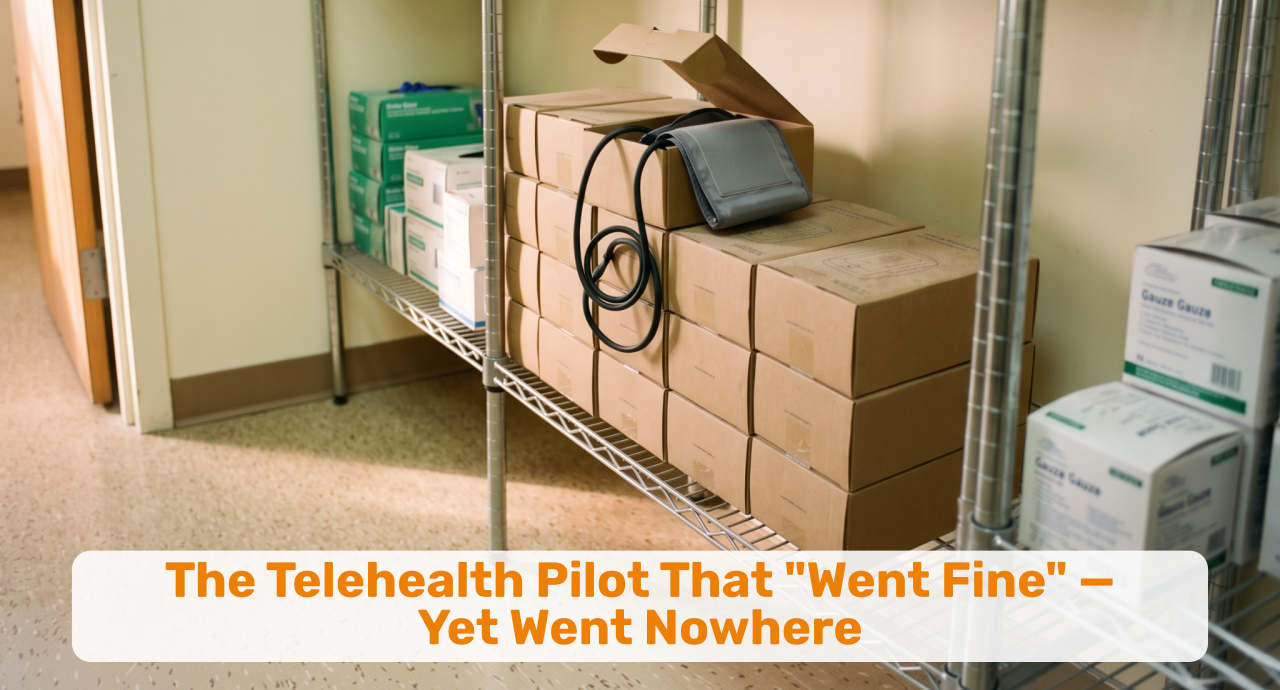
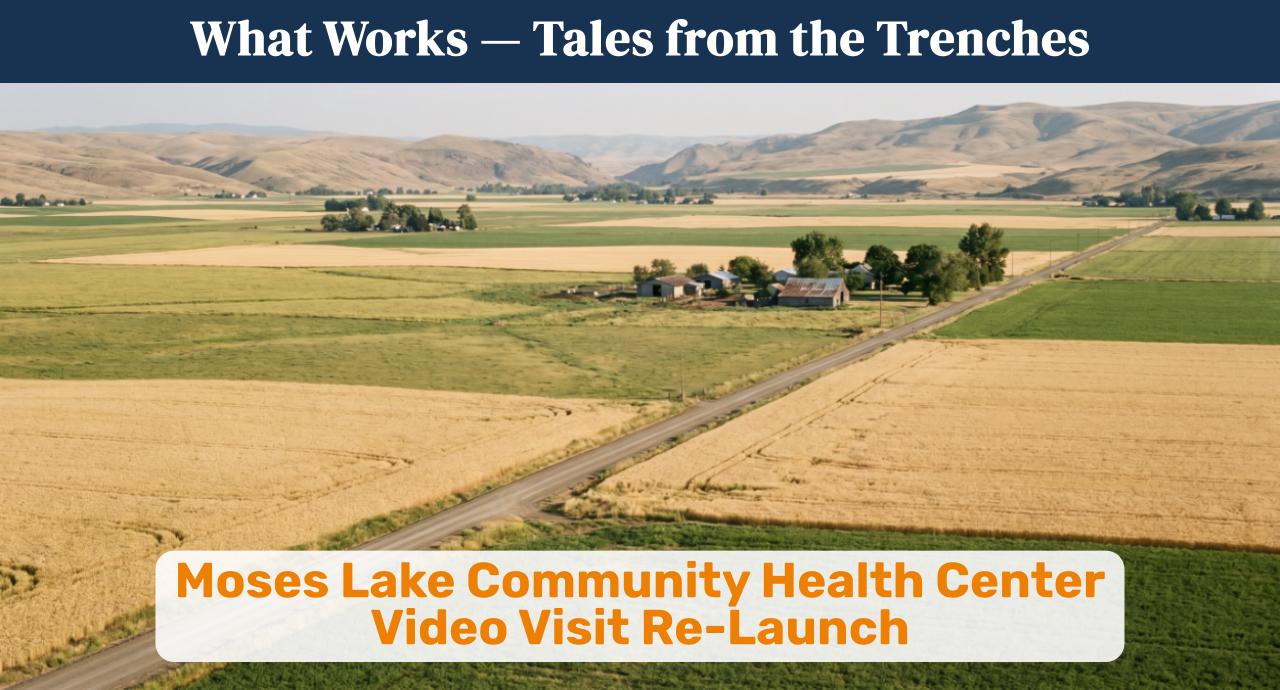
Moses Lake Community Health Center (MLCHC) in north-central Washington knew this story well. For four years after the pandemic, they kept trying to make video visits work for them and for their patients. But the technology got in the way. Clinicians lost confidence in telehealth’s potential. Patients drifted back to the phone. And despite strong leadership and a team that genuinely cared about reaching their rural community, nothing gained traction.
This is the story of how that changed — and more importantly, why it changed.
The Problem Wasn’t the People
The Community Health Center in Moses Lake, Washington has served the families of central Washington for more than 40 years. As a Federally Qualified Health Center (FQHC) operating multiple locations across Grant County it provides primary care, dental, behavioral health, and pharmacy services to a diverse patient population that includes migrant farmworkers, Hispanic families, Russian and Ukrainian communities, and — as is the mission of FQHC’s — patients without insurance navigating a sliding fee scale. The organization’s stated mission is to deliver “high quality, compassionate, and comprehensive care” to everyone — regardless of ability to pay, language, or geography. For an organization like this, telehealth wasn’t just a technology experiment. It was a direct extension of their founding purpose: reaching the people who are hardest to reach.
But in the wake of COVID, video visits still hadn’t taken hold. Clinicians were skeptical because their experience with the technology had been frustrating. Patients were burned out from pandemic-era virtual care that never felt quite right. The platforms in use — designed for enterprise video conferencing, not patient-facing clinical care — created friction at every step. Staff were doing their best within systems that weren’t built to support them.
When Ingenium’s telehealth program assessment finally took a comprehensive look at what was happening, the finding was clarifying: this wasn’t a people problem. The staff were open to telehealth. The leadership wanted it to succeed. The obstacle was structural — an absence of the systems, support, and infrastructure that make telehealth sustainable.
Specifically: there was no dedicated telehealth coordinator. No formal telehealth governance. No telehealth strategy aligned with the organization’s broader goals. Workflows were not defined and as such inconsistent across clinical teams. The policy was outdated. Performance was unmeasured. And the technology, however well-intentioned, was actively working against both clinicians and patients.
None of this was a failure of effort. It was a signal that the underlying infrastructure needed to be built.
Building It Together
What happened next is where the real lesson lives — and it’s not what most organizations expect when they bring in outside help.
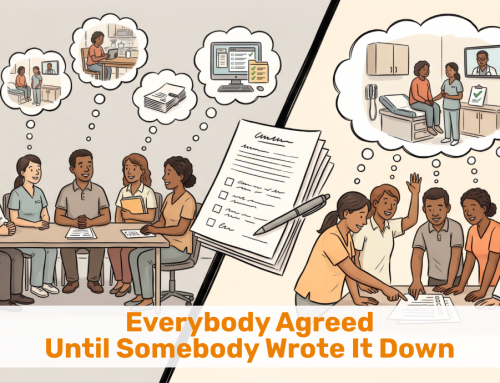
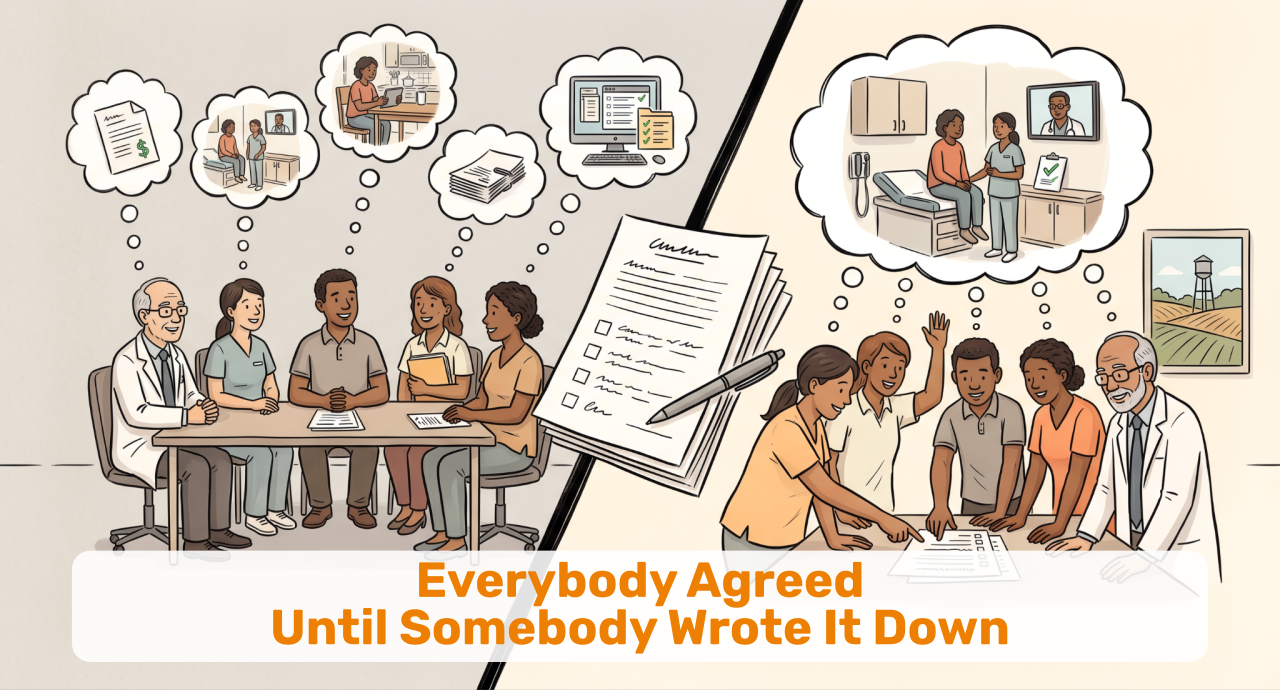
Rather than arriving with a pre-built plan, the Ingenium team facilitated a process in which the Moses Lake CHC leadership team built their own. Working virtually on a large collaborative online canvas, representatives from every corner of the organization — the CEO, COO, CMO, nursing leadership, IT, finance, front office operations, quality, and business intelligence — contributed their perspectives on what Connected Health Services could and should do for their organization and their community.
The name itself came from that process. The team worked through a range of options — telehealth, telemedicine, virtual care, connected care — and landed on “Connected Health Services” as the framing that best captured their intent. It wasn’t a rebrand. It was a signal about how the organization understood its own mission.
Their vision: “To improve the health of the communities we serve by providing high quality, compassionate, and comprehensive health services regardless of the patient’s location.”

Eleven strategic imperatives followed, organized around four pillars: Improved Health, Patient and Staff Experience, Sustainability, and Leadership in the Community. These weren’t handed down. They were authored — by the people who would have to live and work within them.
One sticky note from that session stands out in retrospect: “Have someone responsible for ownership of CHS.” The team had named the coordinator role themselves, before anyone assigned it.
The Coordinator Who Made It Real
To hire a telehealth coordinator is advice that gets dispensed easily and implemented poorly. Organizations often treat the role as administrative — someone to schedule Telehealth TechChecks and troubleshoot Zoom. That’s not what Moses Lake CHC needed, and it’s not what they built.
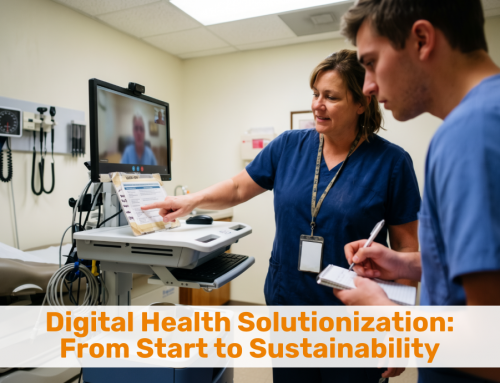
The role was designed from the ground up: part trainer, part workflow manager, part performance tracker, part internal champion. The person who stepped into it — Miguel — was new to the organization and new to the role. He wasn’t the obvious hire. But with hands-on coaching and mentoring from the Ingenium team, he grew into it. Within months, he was the operational spine of the Connected Health Services program — the person who made the difference between a strategy that sat in a document and one that actually changed how care was delivered.
Sheila Berschauer, CEO of Moses Lake Community Health Center, put it plainly:
“Working with Ingenium was transformative for Moses Lake Community Health Center’s telehealth journey. Before their involvement, we had been struggling to implement telehealth for years. The Ingenium team didn’t just provide a service — they walked alongside us, systematically building our capabilities. They helped us move from an emerging telehealth program to a mature, well-integrated system. By helping us to hire Miguel and training and coaching him as our telehealth coordinator and guiding our implementation, they solved our critical staffing and operational challenges. We now have structured coordination between our telehealth coordinator, IT, nursing, and providers.”
What the Roadmap Looked Like
With the strategy built and the coordinator in place, Moses Lake CHC had something they’d lacked for four years: a sequenced, realistic plan they owned.
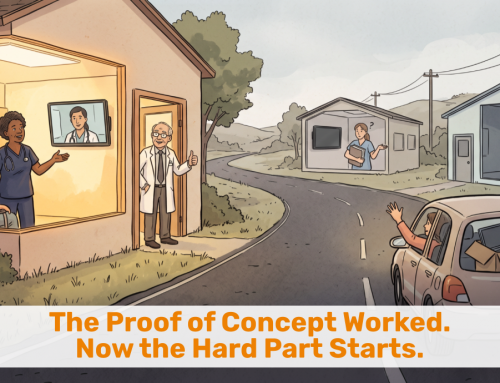
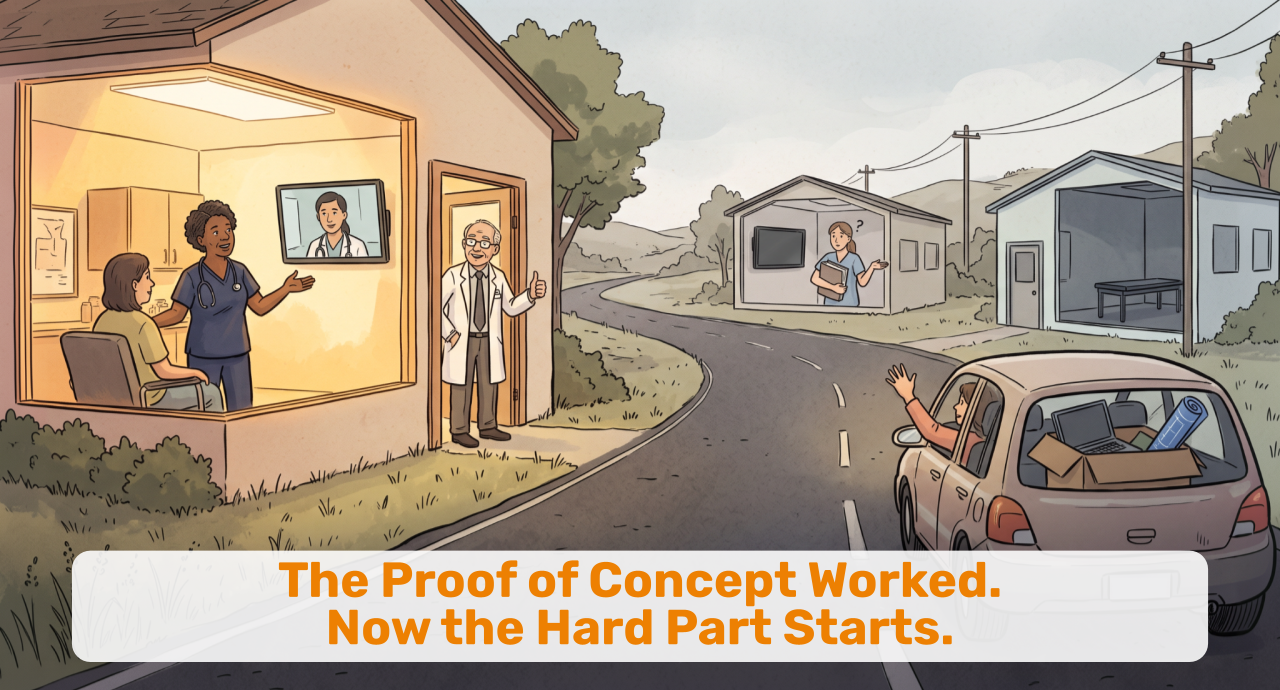
Medical video visits launched first — as a proof of concept first, not a full rollout right away. This is an important distinction. A proof of concept differs from a pilot as it is designed to validate assumptions, surface problems early, and build confidence before scale. It’s not a pilot program that can quietly fade or indefinitely continue. A proof of concept has a defined scope, defined success criteria, and a defined path to expansion.
Behavioral health video visits followed, with a focus on integrating virtual care into the existing relationship between medical and behavioral health services — including the warm handoffs that make integrated care real rather than theoretical.
Most recently, Ingenium and Moses Lake CHC kicked off a Remote Physiological Monitoring (RPM) proof-of-concept for chronic care management — moving from roadmap to reality. For a community carrying the chronic disease burden common to rural and agricultural populations, where regular in-person visits are genuinely difficult, RPM extends the organization’s reach in exactly the way their vision promised: caring for patients regardless of location, between visits, not just during them.
The work is ongoing. Utilization of video visits is growing. The infrastructure is in place. And for the first time, the organization has both the systems and the internal expertise to keep improving on their own.

What Works: Six Lessons From the Trenches
The Moses Lake story isn’t unique in its struggle — but the way it resolved offers transferable lessons for any rural health organization trying to make telehealth real, especially in the context of the Rural Health Transformation Program.
1. Diagnose before you prescribe. Four years of effort didn’t move the needle because the root causes were never systematically identified. A comprehensive assessment — one that looks at governance, workflows, technology, clinician engagement, policy, strategy, and performance management together — surfaces what’s actually standing in the way. Without that diagnosis, organizations keep treating symptoms.
2. The people are usually not the problem. In virtually every stalled telehealth program, the instinct is to blame resistance — from clinicians, from staff, from patients. Moses Lake’s team was open to telehealth from the beginning. What they lacked was a system that supported them. Before assuming the problem is people, examine the infrastructure around them.
3. Build the vision with the team, not for them. The Connected Health Services strategy at Moses Lake didn’t succeed because it was smart. It succeeded because every department head had a hand in building it. When leaders can see their own words and priorities reflected in the roadmap, implementation becomes execution rather than compliance.
4. Name the role before you fill it. The coordinator position that Miguel grew into wasn’t created by an org chart. It emerged from the team’s own recognition that someone needed to own this work. Designing the role thoughtfully — with clear responsibilities across training, workflow management, performance tracking, and clinician support — is what made it possible for the right person to succeed in it.
5. Prove it before you scale it. Launching medical video visits as a proof of concept rather than a full deployment allowed Moses Lake to build confidence, identify friction points, and demonstrate value before asking the whole organization to commit. The goal of a proof of concept isn’t just to test the technology. It’s to validate the workflows, the training, and the support structure — everything the 90% that isn’t technology.
6. Go at the pace the organization can absorb. Perhaps the most important lesson: sustainable telehealth adoption happens at the speed of human change, not the speed of implementation checklists. Moses Lake’s roadmap was sequenced deliberately — medical visits first, then behavioral health, then RPM. Each phase built on the last. That sequencing wasn’t a constraint. It was a strategy.
These six lessons didn’t emerge from theory. They emerged from the lived experience of a leadership team that spent four years struggling — and then, with the right support and the right process, broke through.
The question isn’t whether these principles apply to your organization. They do. The question is — where are you on the journey?
-
Which of these lessons has your organization already put into practice?
-
Which lesson, if you tackled it in the next 90 days, would make the biggest difference?
-
What’s actually standing in the way?
If you’re ready to have that conversation — about your telehealth program, your sticking points, or simply what a systematic assessment might reveal — we’d love to hear from you.
And if you’re not quite there yet, that’s fine too. Keep reading. Keep learning. The next story from the trenches is already being written.

To receive articles like these in your Inbox every week, you can subscribe to Christian’s Telehealth Tuesday Newsletter.
Christian Milaster and his team optimize Telehealth Services for health systems and physician practices. Christian is the Founder and President of Ingenium Digital Health Advisors where he and his expert consortium partner with healthcare leaders to enable the delivery of extraordinary care.
Contact Christian by phone or text at 657-464-3648, via email, or video chat.