

RHTP funding is arriving — and with it, a wave of technology purchasing decisions. Advanced imaging systems. Telehealth platforms. Remote patient monitoring programs. AI-powered scribing tools. Consumer-facing digital health solutions. Vendors are calling. Demos are being scheduled. Budget conversations are starting.
And that is exactly where many well-intentioned RHTP investments will begin to go wrong.
Not because the technology is bad. Not because the vendors are dishonest. But because buying technology and implementing technology are two entirely different disciplines — and rural healthcare organizations are being asked to master the second one while everyone around them is focused on the first.
Some Technology Purchases Really Are Straightforward
To be fair, not every RHTP technology investment carries the same implementation risk. Some purchases are what might be called “slam dunks” — established technology with well-understood workflows, trained clinicians who already know how to use it, and referral pathways that simply need the new capability to be present.
A PET/CT scanner is a good example. When Mahaska Health, a critical access hospital in Oskaloosa, Iowa, was awarded $3.1 million in RHTP funding for a new PET/CT system with cardiac imaging capability, it was a sound investment — not just because the technology is proven, but because the organizational infrastructure already existed to put it to work. Mahaska operates the first tumor board established by a critical access hospital in Iowa, bringing together specialists monthly from surgical and medical oncology, radiology, pathology, radiation oncology, and more to review cases and coordinate individualized treatment planning. The PET/CT slots into that system. The workflows are known. The clinical team is ready.
That is not a vendor trap. That is strategic capital investment — technology in service of an already-functioning care delivery model.
The challenge is that most digital health and telehealth investments are not like that. And organizations that treat them as if they are will struggle to show the outcomes that CMS expects.
The Vendor Trap
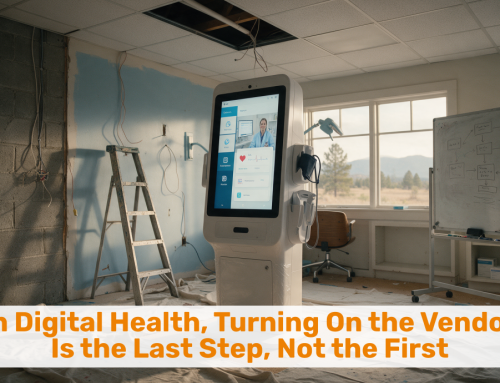
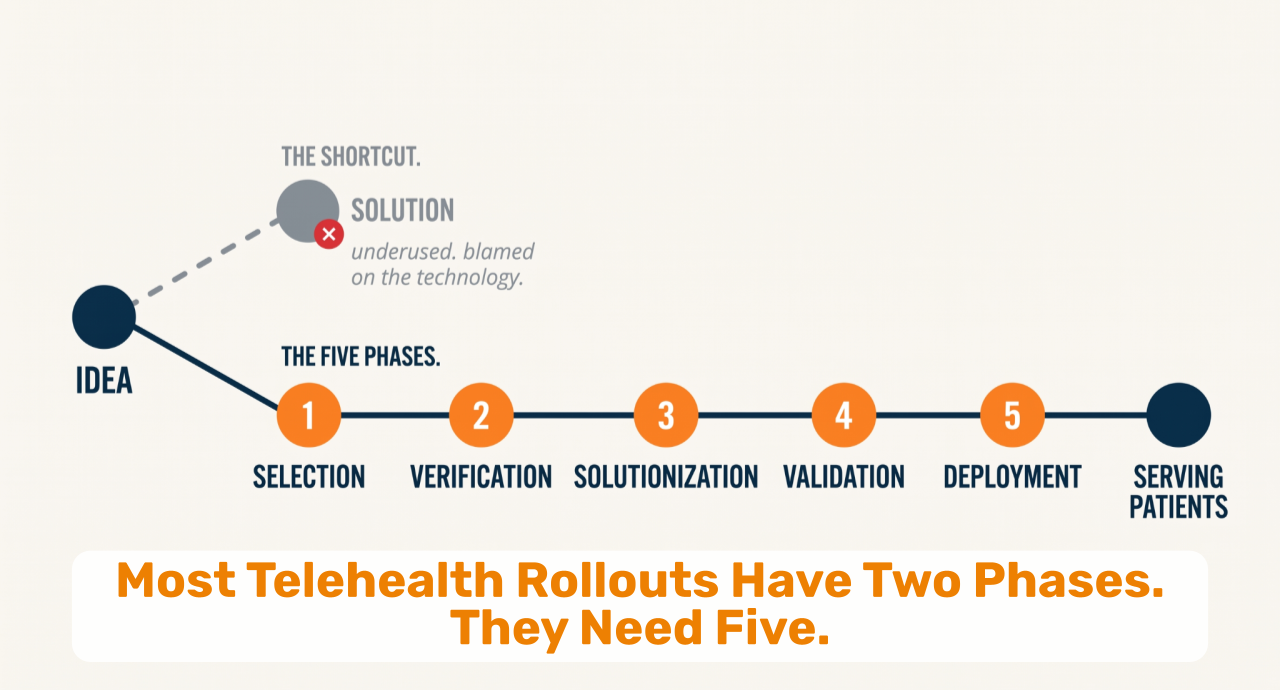
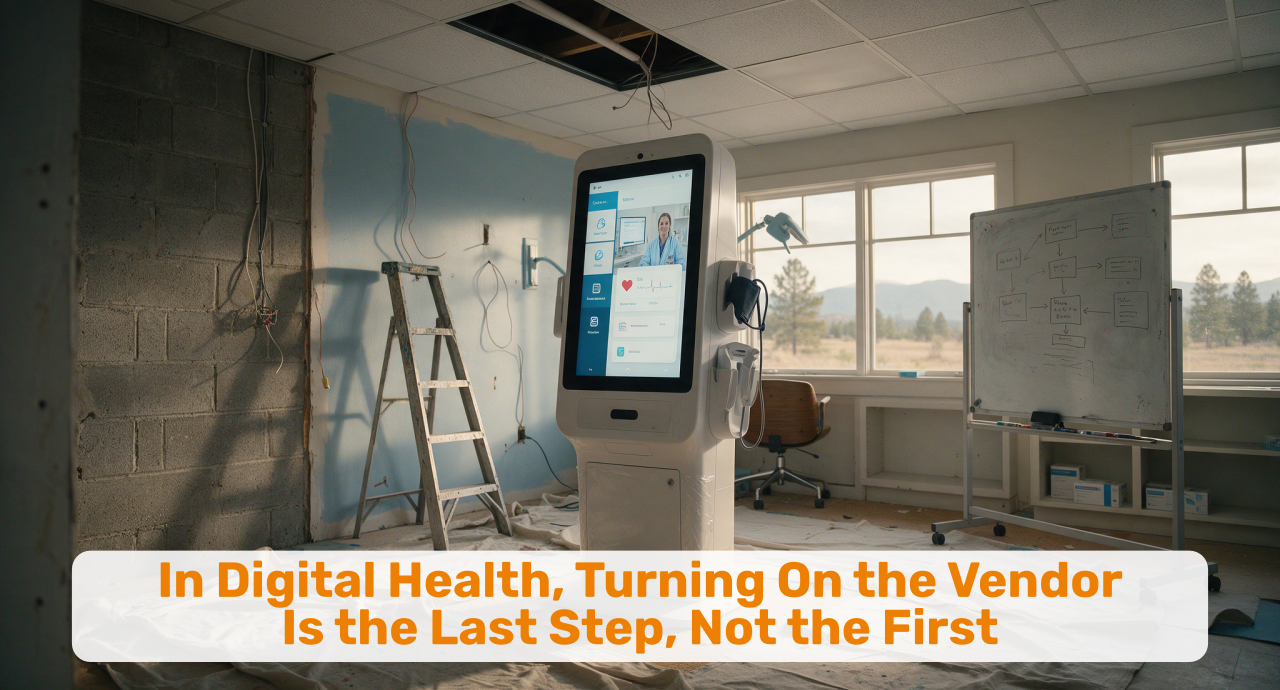
The Vendor Trap is what we call a pattern that repeats itself across healthcare organizations of every size: an organization identifies a technology it wants to adopt, selects a vendor, signs a contract — and then assumes the vendor will handle the rest.
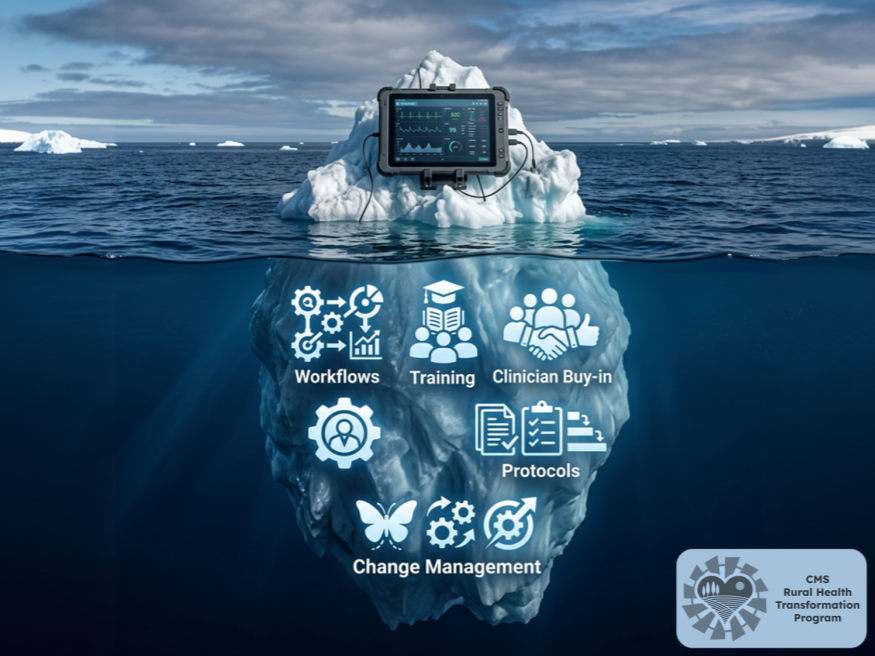
The “rest” includes things like:
-
Redesigning clinical workflows to integrate the new tool
-
Winning clinician buy-in and addressing resistance
-
Training every role that will touch the program
-
Establishing protocols for escalation, documentation, and follow-up
-
Measuring whether the program is actually working
Most vendors do not do all of these things. It is not their role, and it is not what they are paid for. Vendors sell, implement, and support the technology. The care delivery transformation that surrounds it — that belongs to the organization.
Large academic medical centers and major health systems have the internal staff to manage this gap: enterprise project managers, clinical workflow designers, training specialists, change management experts. Most rural healthcare organizations do not. And when the program underperforms, the instinct is to blame the technology or the vendor — when the real gap was in implementation.
The Question That Should Come Before Every Demo
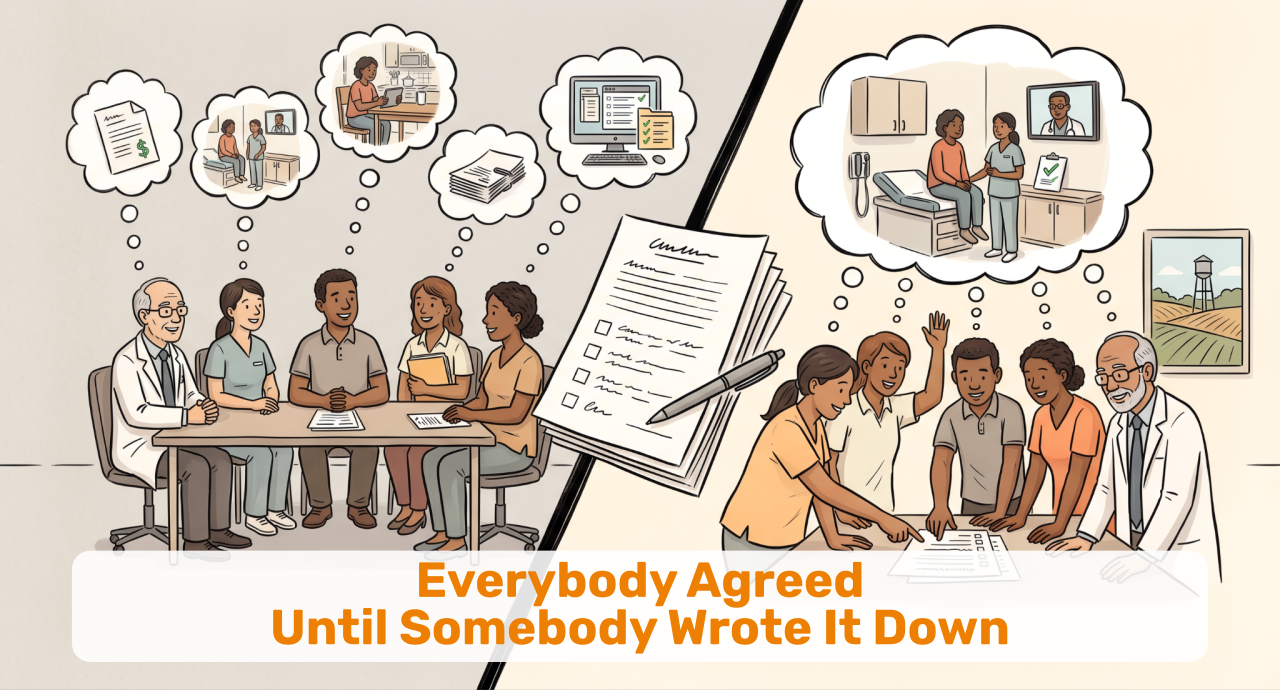
If there is one shift that can protect RHTP investments from the Vendor Trap, it is this: bring clinicians into the conversation before the vendor does.
Not after the demo. Not after the contract is signed. Before any vendor conversation begins.
The critical question is not “which platform should we choose?” It is “have our clinicians identified this as a problem worth solving — and are they willing to help design the solution?” If the answer is no, or uncertain, no amount of impressive vendor technology will produce sustainable adoption. Clinicians who were not part of the decision will find reasons not to use the tool. Workflows that were not designed with clinical input will not survive contact with real patient care.
This is not a criticism of clinicians. It is a recognition of how care delivery actually works. Clinicians are not obstacles to technology adoption — they are the essential co-designers of it. The organizations that understand this principle invest time in clinical engagement before they invest dollars in technology procurement.
Technology Purchases Do Not Create Outcomes
Last week, I described how CMS is approaching RHTP performance measurement, and the message is clear: funding is tied to outcomes, not expenditures or installs. States and their rural health partners will be held accountable for measurable improvements in access, quality, and care delivery. Technology deployed does not move the needle by itself.
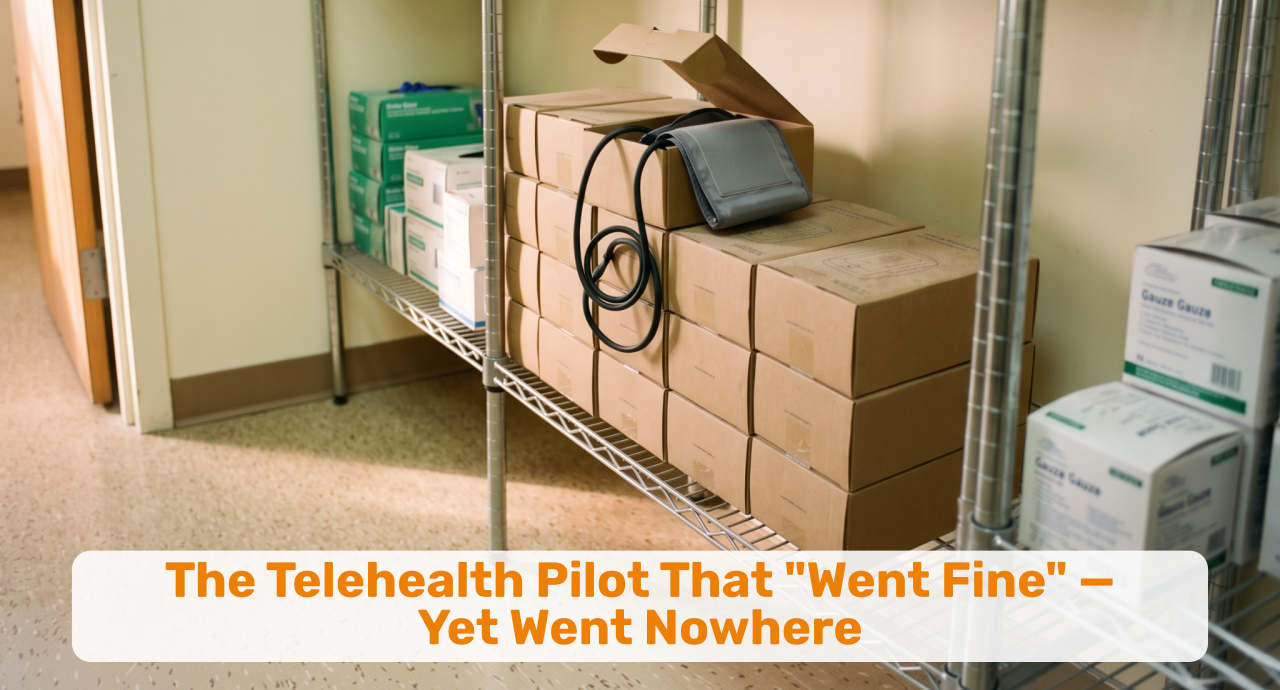
That framing applies directly to technology decisions. A PET/CT scanner that is underutilized due to insufficient referral development generates no outcomes. A telehealth platform with just 1 in 6 clinician using it does not improve access. An RPM program where patients receive devices but no meaningful clinical intervention does not reduce hospitalizations.
Technology is a means, not an end. Buying the technology is the easy stuff. And vendor sales materials are full of visions of what you could achieve. But the technology is just an enabler, a catalyst. It is not the full solution.
An outcome is improved care for rural patients. Technology is only a tool — sometimes essential, sometimes transformative — in service of that goal. But only when it is implemented with the same discipline and rigor that went into selecting it.
What Implementation Actually Requires
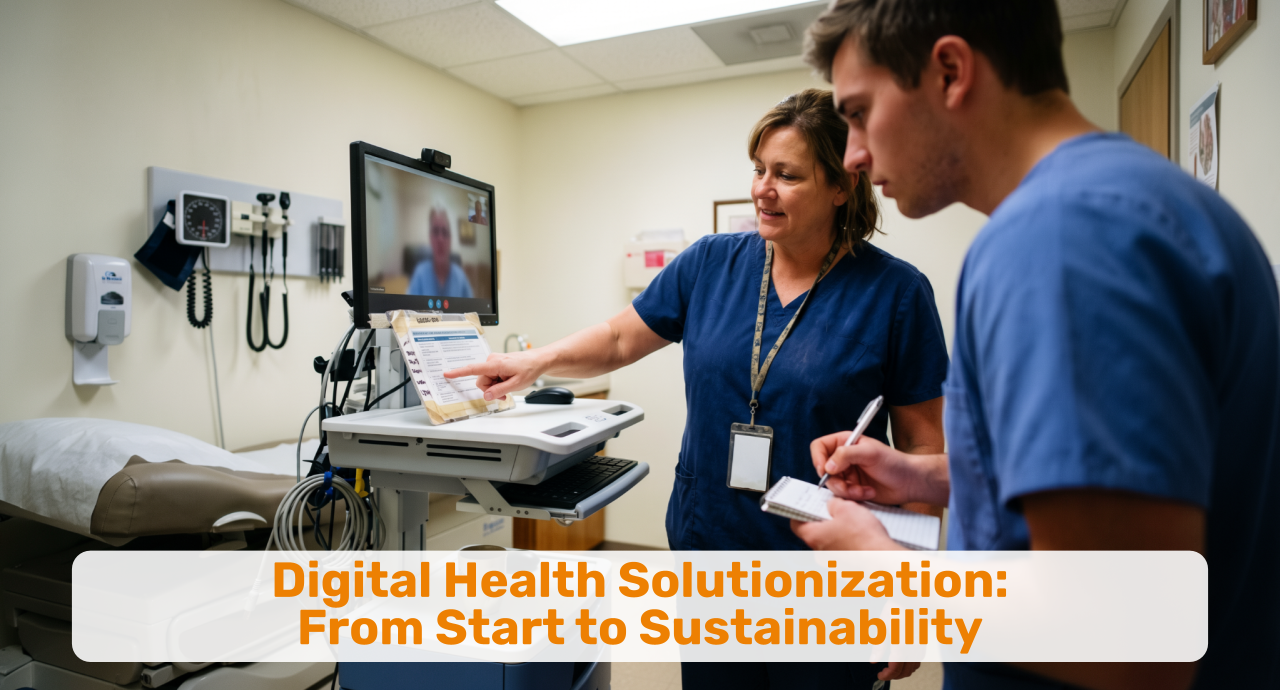
For emerging digital health tools — telehealth, RPM, AI-assisted care, consumer-facing platforms — successful implementation typically requires expertise across six domains:
1) Project management to keep the launch on track and on scope.
2) Change management to bring clinicians and staff along with genuine buy-in.
3) Clinical process development to redesign workflows around the new capability.
4) Clinical protocol development to define how the tool integrates into care decisions.
5) Technology integration to ensure the solution connects with existing systems.
6) Managed rollout to validate at small scale before expanding.
This expertise is rarely housed entirely within a rural healthcare organization. Budgeting for implementation support — consultants, technical assistance, training design — is not overhead. It is the investment that determines whether the technology purchase produces the outcomes it was designed to achieve.
The Opportunity Is Real — If the Approach Is Right
RHTP represents a valuable infusion of resources into rural healthcare, but only if it is used right.
The organizations that will look back on this period with pride are not necessarily the ones that purchased the most advanced technology. They are the ones that took the time to ask the right questions first — that engaged their clinicians before the demos, understood what implementation would actually require, and budgeted accordingly.
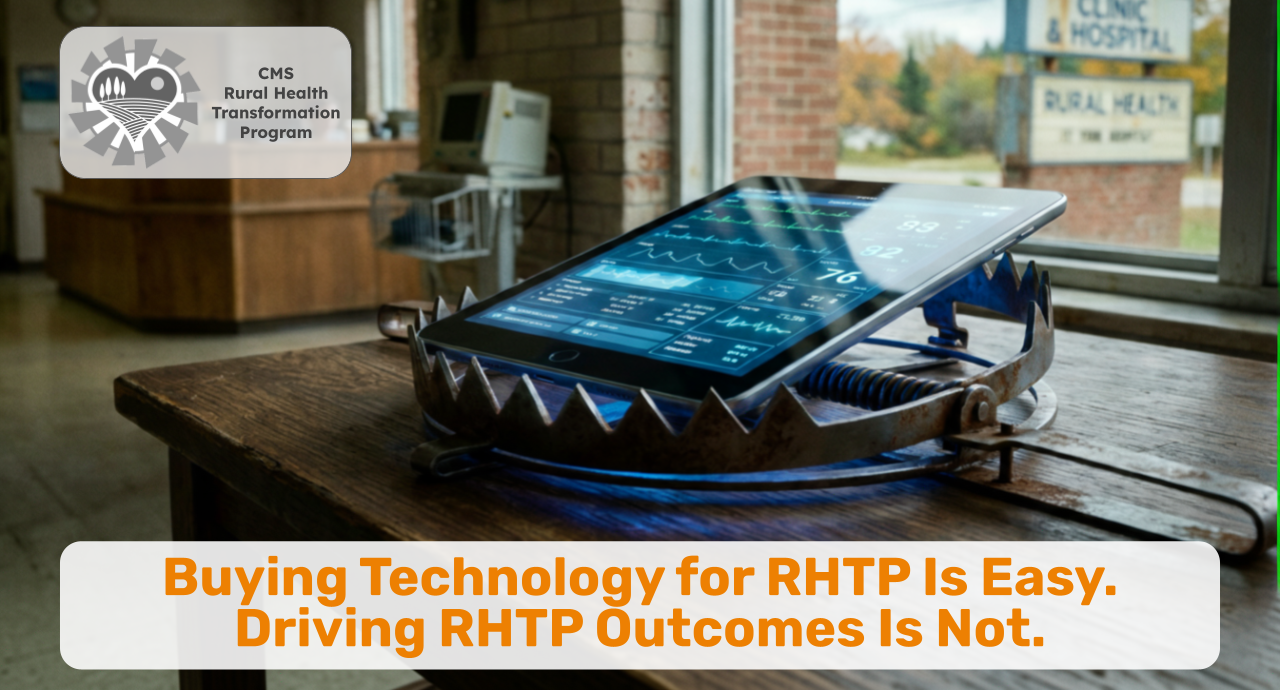
Buying technology is easy. Driving outcomes is not. But with the right approach, it is absolutely achievable.
At Ingenium Digital Health Advisors, we empower rural healthcare organizations to maximize results and outcomes with digitally-enabled care. If your organization is navigating RHTP implementation decisions, we are here to help you think this through.

To receive articles like these in your Inbox every week, you can subscribe to Christian’s Telehealth Tuesday Newsletter.
Christian Milaster and his team optimize Telehealth Services for health systems and physician practices. Christian is the Founder and President of Ingenium Digital Health Advisors where he and his expert consortium partner with healthcare leaders to enable the delivery of extraordinary care.
Contact Christian by phone or text at 657-464-3648, via email, or video chat.