


In July 2026, we examined what it really takes to build sustainable virtual care. We began by exploring the three pillars of virtual care sustainability — leadership, clinical excellence, and financial viability — demonstrating that long-term success depends far more on organizational readiness than on the technology itself.
We then turned our attention to Telehealth Access Points (TAPs), introducing the TAP DANCE Framework to explain why many community access sites remain underutilized. Rather than simply installing equipment, successful organizations actively engage communities and grow demand through thoughtful outreach, partnerships, and patient-centered design.
Finally, we introduced the Telehealth Hierarchy of Needs, a five-layer framework that helps organizations assess where their programs stand today and identify the foundational capabilities required to achieve extraordinary virtual care. From operational excellence to transformational patient experiences, each layer builds upon the one before it.
Together, these articles reinforce a common theme: exceptional telehealth programs are not built by technology alone—they are created through deliberate leadership, systematic implementation, and a relentless focus on delivering meaningful value for patients, clinicians, and communities.
Enjoy your readings!
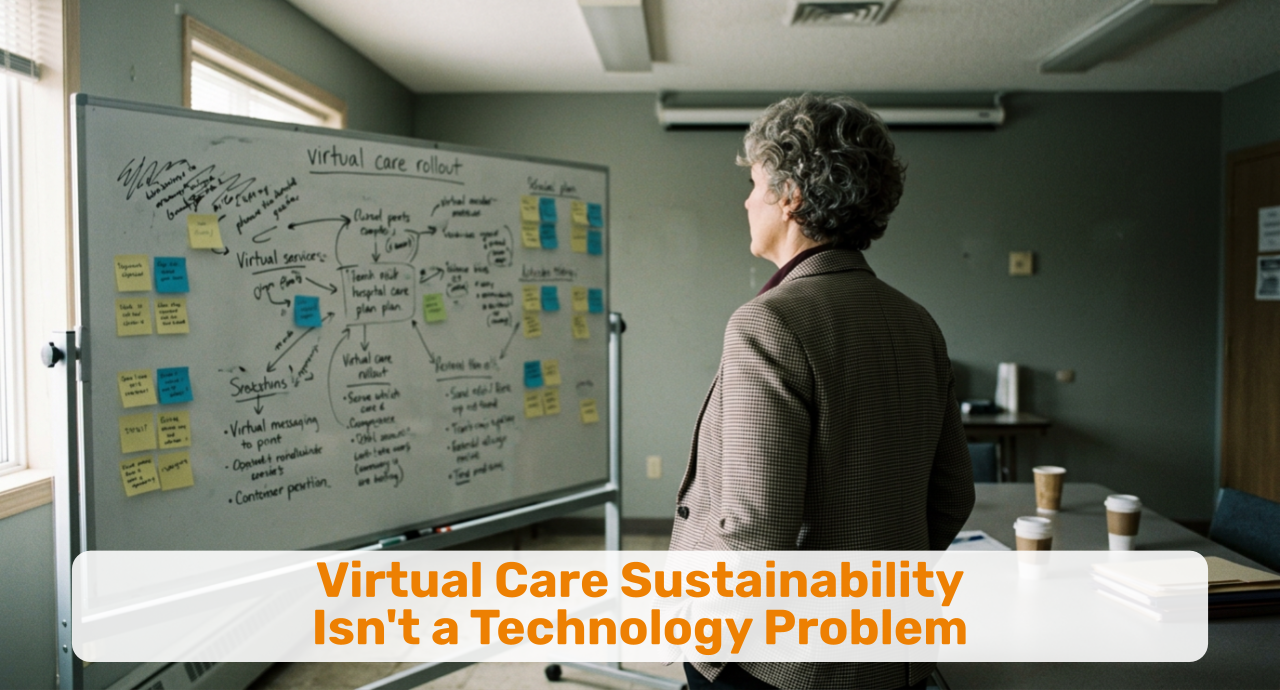
Virtual Care Sustainability Isn’t a Technology Problem
Many virtual care programs stall not from bad technology but from leadership, clinical, and financial gaps that never get addressed. This article breaks down the three pillars of virtual care sustainability and shows how RHTP funding can accelerate virtual care growth.
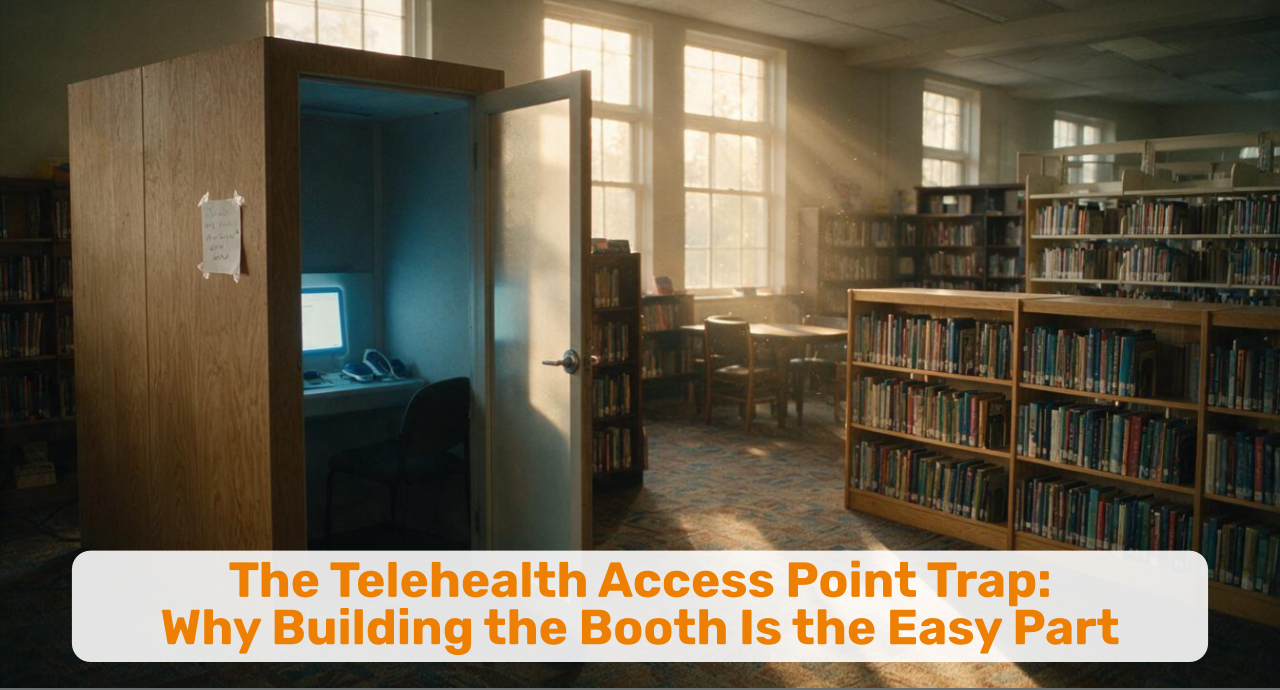
The Telehealth Access Point Trap: Why Building the Booth Is the Easy Part
Telehealth access points (TAPs) are being deployed across rural America with genuine intent — and quietly underutilized nearly everywhere they land. This article introduces the TAP DANCE framework, reframing the access point’s mission from serving patients who already want telehealth to growing the population who will.
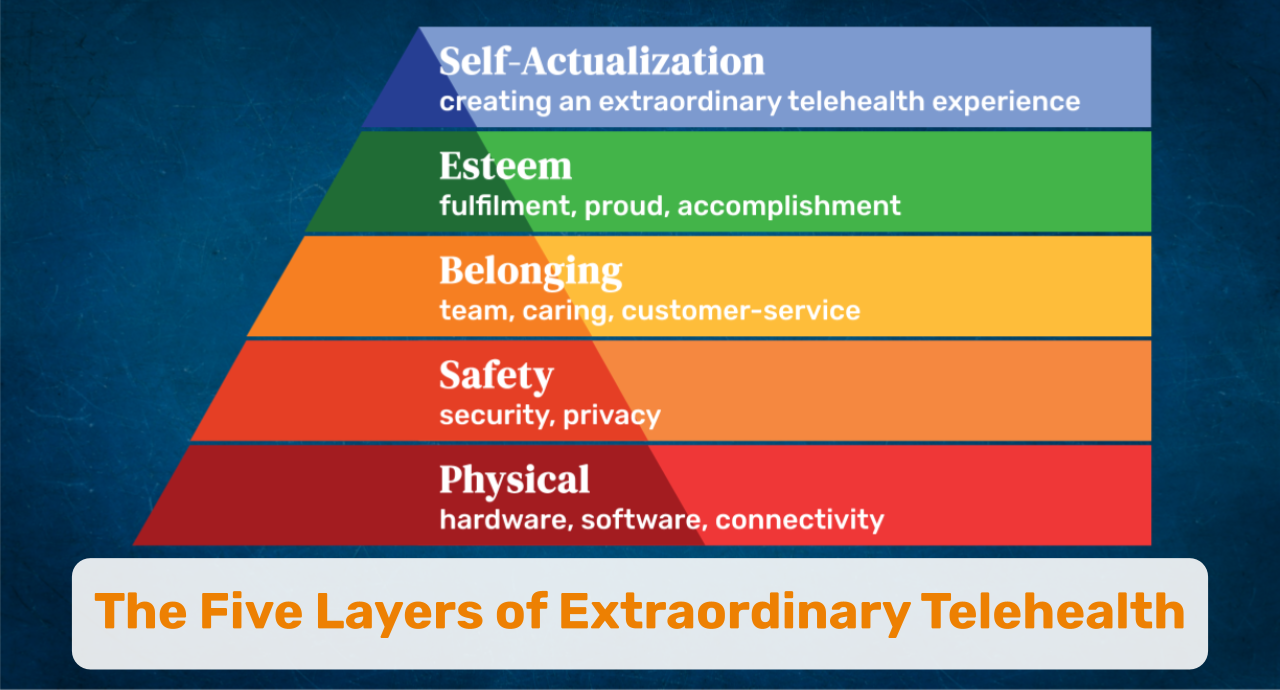
The Five Layers of Extraordinary Telehealth
Most telehealth programs don’t stall because of bad technology — they stall because foundational layers were never fully built. This article introduces the Telehealth Hierarchy of Needs, a five-layer framework for diagnosing where a program stands and what it takes to reach truly extraordinary care.